Interview
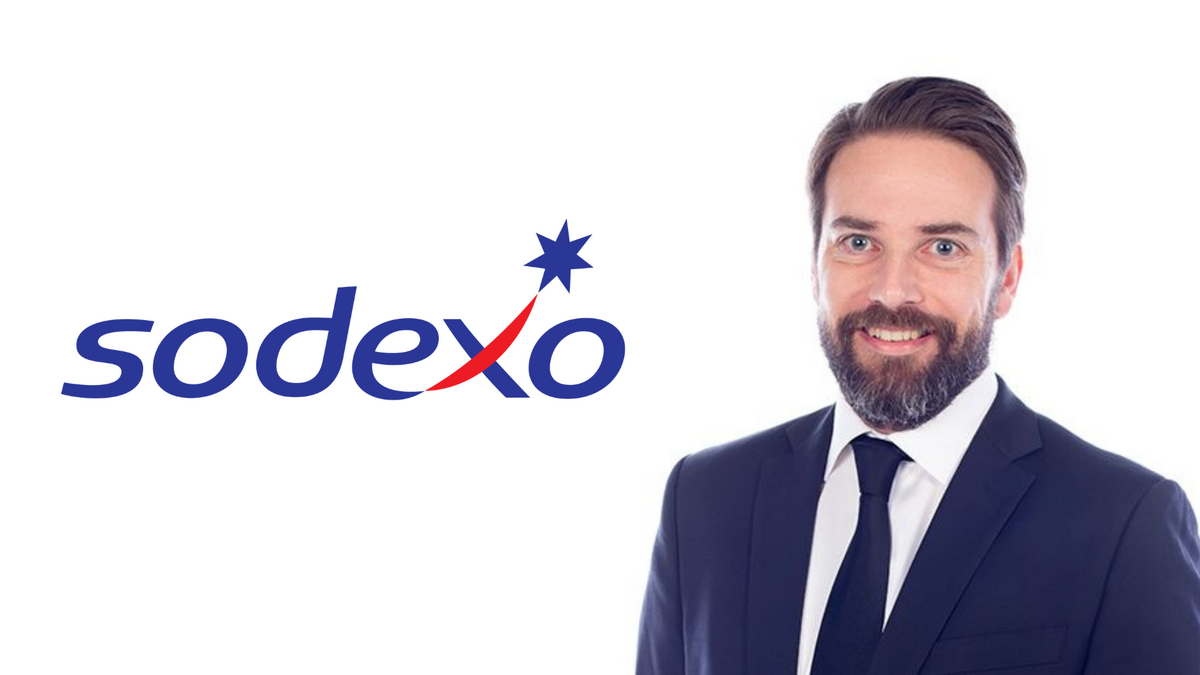
Interview: Mikko Lindh, Managing Director at Sodexo
1. Sodexo operates through large frontline teams across multiple sites. From your perspective, what does effective leadership look like in that context?
Effective leadership in a frontline-heavy, multi-site environment is first and foremost about clear direction and building the strong performance culture. Leaders need to be close to daily operations and people’s reality – not only physically, but also in how they communicate and listen.
For us, effective leadership meanssetting clear priorities, trusting our teams, and empowering people to make decisions locally. At the same time, consistency is crucial: shared values, strong culture and common ways of working create stability, even when the teams are geographically spread out.
Finally, leadership is about caring for people. In a people-driven business like ours, leaders succeed when they genuinely care about teams' wellbeing, development and inclusion – and when it is visible in everyday actions, not just in words.
2. Expectations around workplaces, sustainability, and employee wellbeing are evolving quickly. What are Sodexo Finland's key priorities in the coming years?
Our first priority is people – both our employees and the people we serve. We need to ensure safe, fair and supportive working conditions, and create environments where people can perform well and feel valued, especially in demanding frontline roles.
Sustainability is another focus area, but always from a practical perspective. For us, it’s about helping clients make everyday choices that are better for health and the environment, without making things complicated. At the same time, we see sustainability as part of the overall experience – how food is presented, how spaces feel, and how easy it is to make good choices. Food, energy use and waste reduction are all areas where small daily decisions really matter.
Finally, we put effort on staying agile in a volatile environment. Clients’ needs are changing fast, and our role is to help them navigate with reliable, responsible and flexible services, while maintaining a consistent, high-quality service experience that reflects our hospitality mindset.
3. How are you integrating technology and AI into Sodexo's day-to-day operations, and where are you seeing the biggest impact so far?
We see technology and AI as tools that help us do our work better, not as goals in themselves. The biggest impact so far has been in integrating data-driven decision making. For example forecasting the demand, reducing food waste, saving energy and improving operational efficiency all around.
At the same time, technology plays an important role in enabling better service experiences. Technology also helps to simplify everyday work for our teams with clearer processes, better communication and easier access to information. That’s especially important in frontline roles, where time and clarity really matter.
For us, the key principle is that technology should support people and professional skills, not replace them. When it works well, it frees up time to focus on hospitality - on service, quality, personal interaction and the overall customer experience. In that sense, technology allows us to be more present and attentive - ultimately, the things that make us more human.
4. Sodexo has strong French roots and a global presence, including in Finland. How does this international heritage influence local business operations, and what differences have you observed between the French and Finnish business environments?
Sodexo’s French roots and global network give us a strong foundation, particularly when it comes to company culture, service mindset and long-term perspective. As a family-founded company, we are still guided by the same core values that shaped the business from the very beginning. This year, as Sodexo celebrates its 60th anniversary, that long-term thinking feels especially relevant.
At the same time, we operate very locally. In Finland, decisions are made close to customers and employees, and everyday operations reflect local expectations and ways of working.
One difference I often observe is that Finnish business culture tends to be very pragmatic and straightforward, with a strong emphasis on trust, equality and facts. French business culture, on the other hand, is often more expressive and debate-oriented, and places strong value on cultural heritage. Both have their strengths, and together they have helped us build a strong, resilient company over decades.
5. As a premium member of the CCFF, what motivated Sodexo Finland to join the Chamber? From your perspective, what value can companies gain from being part of a French-Finnish business community?
For us, joining the Chamber was a natural step. We have strong links to France through our roots, and Finland is our home market. The CCFF connects those two worlds in a very practical way.
The value comes from networks, but also from shared understanding. Being part of a French–Finnish business community offers opportunities to exchange ideas, learn from different perspectives and build long-term relationships based on trust.
In a time when business environments are becoming more complex, those connections and insights are more valuable than ever.