Interview
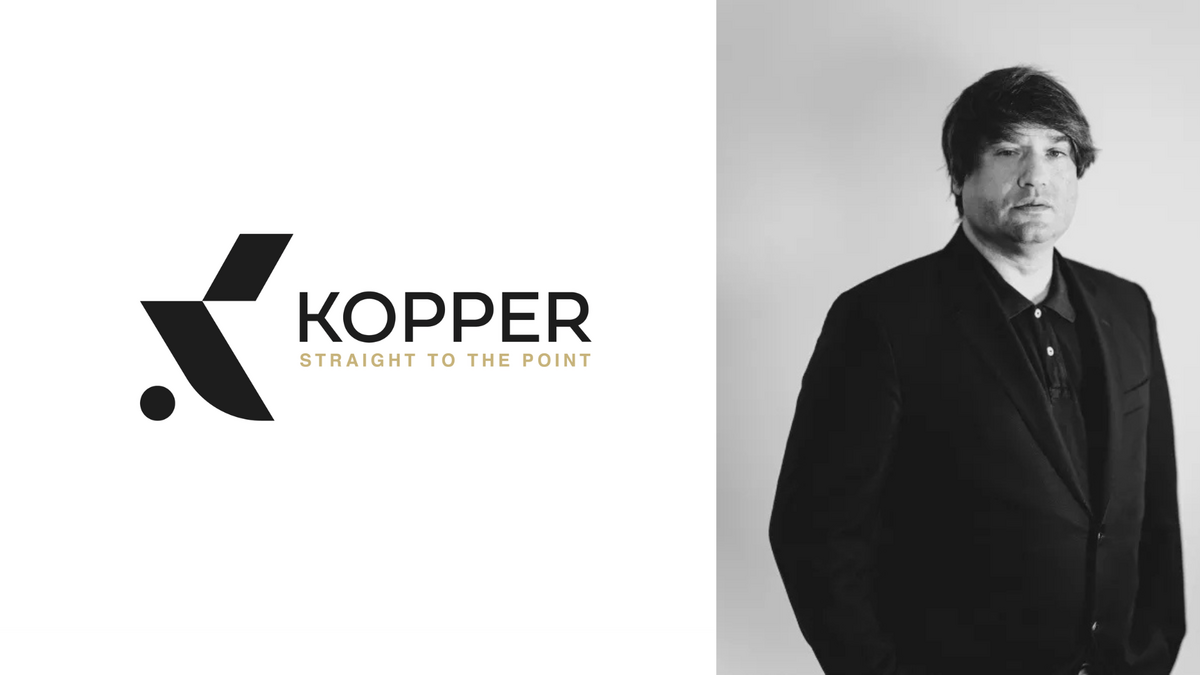
Interview: Thomas Fernandez-Boni, Partner at Kopper
1. How would you describe Kopper positioning today, and the type of companies you work with most?
We are much more than a law firm. We are a strategic and operational ally for our clients. We assist management and HR teams in all their projects in the areas of tax, employment law and litigation as well as international mobility. Using a comprehensive and collaborative approach, we work alongside them to streamline their company’s business, accelerate their national and international development, manage risks and defend their strategic interests.
Our strength is also having a current and innovative overview of our profession. Because our clients are instrumental in their own success, we provide them with the tools to facilitate decision-making and adopt the right reflexes.
Kopper is always attentive to its clients’ needs, building relationships based on trust and doing its utmost to respond quickly and effectively to their legal and judicial problems.
We are a team of six partners and around thirty lawyers (counsels and associates) spread across our offices in Toulouse, Paris, and Helsinki. We have a strong presence in the Nordic region and are one of the founding members of GBL ALLIANCE a network of international independent business law firms, which operates in around 60 countries and comprises more than 2000 lawyers, enabling us to provide our clients with comprehensive support worldwide. Our clients are mostly large French or foreign groups in the energy, agri-food, space, aviation, and pharmaceutical industries, but we also represent executives, entrepreneurs, and growing organizations both in France and in their international expansion.
2. When companies expand or operate internationally, what kinds of questions do they typically come to you with first?
We have high experience in assisting companies with their international projects and foreign companies wishing to invest or set up operations in France. Of course, we encounter the classic but important questions about the choice of business structure, both from a corporate and tax perspective, whether or not to create a legal entity, the consequences in terms of liability for managers, the organization of governance and share capital, whether a permanent establishment exist or not. When setting up in the European Union, all these issues are relatively well defined, and French companies wishing to invest in Finland will feel right at home, and vice versa. The same applies to labor regulations, which are relatively similar in both countries in terms of employment contracts, dismissal rules, among other related employment matters.
One issue that Finnish companies need to bear in mind, however, is the management of labor costs in France and how to optimize them, as well as all issues relating to working hours, which have specific features in France that should not be overlooked.
Last but not least, whether French or Finnish, a company must not overlook the cultural aspect of its international project, whether in the negotiation of a commercial contract, in recruitment, in relations with the host country's administration, with banks. Very often, these issues are not necessarily considered in advance and can cause complications or delays in the launch of the project. The French Finnish Chamber can play a key role in such aspects and facilitate the success of the project.
3. From your work between France and Finland, what differences do you notice in management approaches or employer–employee expectations?
While the regulatory framework for labor law is very similar in both countries, the managerial approach and the management of staff and working hours are very different.
Finland has a less hierarchical and more direct approach to management than France. It is not uncommon for employees in Finland to communicate directly with the CEO of the company.
Finnish working society is characterized by equality, respect for private and professional life, sustainability, respect for the environment, and is based on trust between employer and employee and respect for one's word. Finnish employees are very attached to these principles based on trust, which is reflected, for example, in company policies on working hours (high flexibility), remote work, sick leave management.
It is important for a French group wishing to set up in Finland to bear these principles in mind so that its employer brand is competitive in the Finnish labor market, which is experiencing economic difficulties, in order to attract and retain talent.
4. As a CCFF VP involved in social events, how do you see informal settings shaping business relationships?
I am very happy to be responsible for social events at the Chamber of Commerce because I believe that these convivial events are crucial for the development of the business community between our two countries and ultimately enable our members to develop their activities while combining pleasure and work.
In France, we have a very social approach to doing business over a good lunch or dinner, we are known for this and we are delighted to see that our social events at the Chamber of Commerce are proving very popular with the Finnish business community, whether it be our wine master classes, Beaujolais Nouveau tastings, or our gala dinner, with a growing desire to learn more about the history of our products and wines, for example.
We find that our values of authenticity, conviviality, and generosity are shared by both our communities, and the social ties that are forged during our events naturally promote business between us.